

Visiting someone you love who is living with dementia can sometimes feel difficult.
Families may worry about what to say, whether their loved one will remember them, or whether the visit has “gone well”. Some people worry that conversation will not flow as easily as it once did, or that they might say the wrong thing. Others may feel sad that the relationship has changed, even though the love and connection are still very much there.
These feelings are completely understandable.
Dementia can affect memory, communication, mood and confidence, and this can change the way someone connects with the people around them. However, a meaningful visit does not have to be perfect. It does not have to be filled with conversation, activities or big moments.
Sometimes, the smallest things can mean the most.
A familiar smile.
A favourite song.
Looking through old photographs.
Sharing a cup of tea.
Sitting together in the garden.
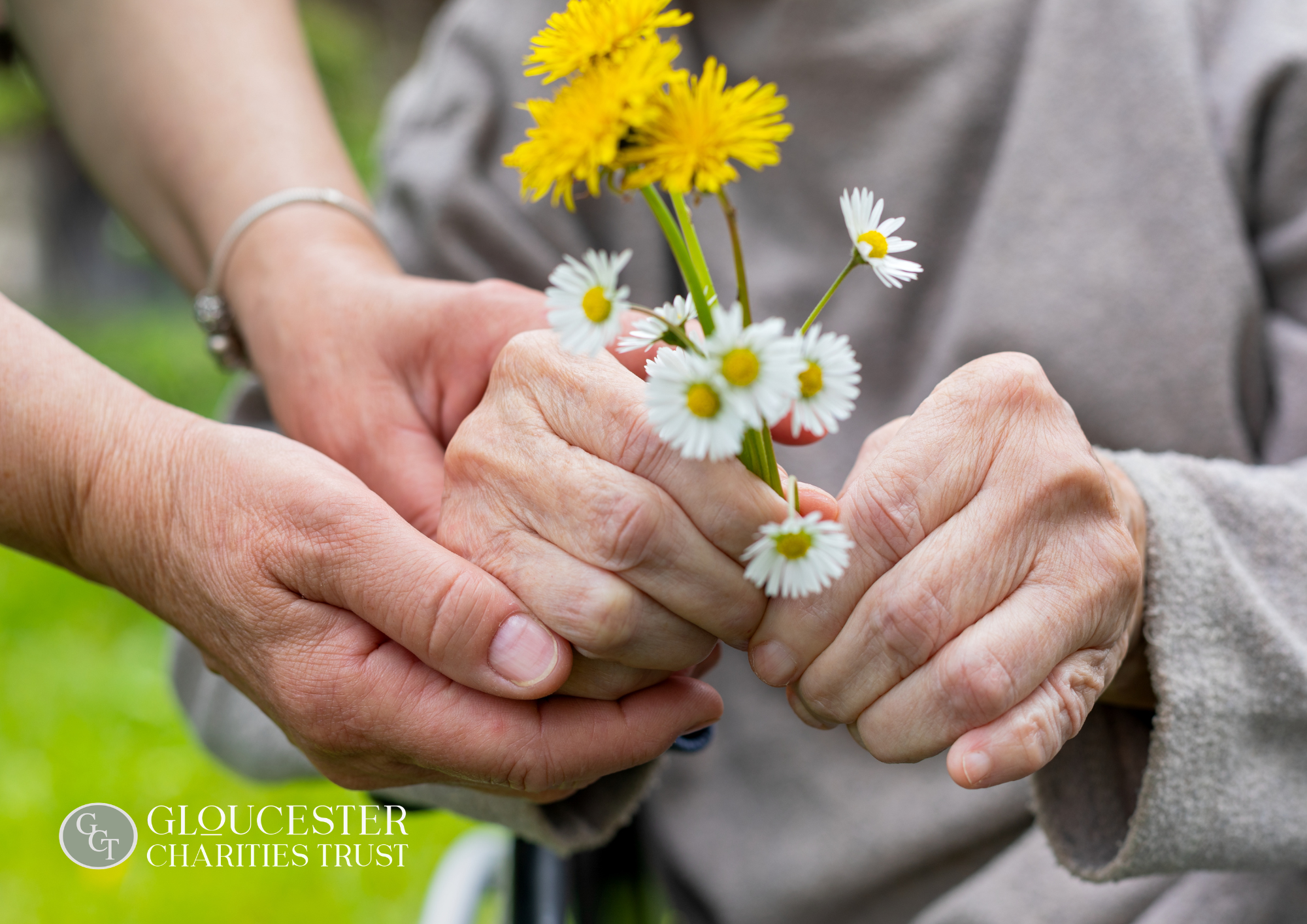
Holding a hand.
Or simply being present.
At Guild House and Magdalen House, we understand that dementia can change the way someone communicates, but it does not take away their need for comfort, kindness, reassurance and connection.
Focus on feelings, not perfection
One of the most helpful things to remember when visiting someone living with dementia is that the feeling of the visit can matter more than the detail of what was said.
Your loved one may not remember every part of the conversation afterwards, but they may still be left with a sense of comfort, warmth and safety. They may respond to your voice, your face, your presence or the familiarity of simply being with you.
Try not to put too much pressure on yourself to make the visit feel like it used to. Relationships naturally change over time, and dementia can make those changes feel more noticeable. But different does not mean less meaningful.
A quiet visit can still be a good visit.
A short visit can still bring joy.
A simple moment can still offer reassurance.
Keep things calm and simple
Busy environments, too many questions or lots of background noise can sometimes feel overwhelming for someone living with dementia.
When visiting, it can help to keep things calm, gentle and unhurried. Speak clearly, use simple sentences and allow plenty of time for your loved one to respond. Try not to rush to fill every silence. Sometimes sitting together quietly can be just as comforting as talking.
If conversation feels difficult, you could try using familiar prompts, such as:
- old family photographs
- a favourite piece of music
- a familiar object
- a magazine or book connected to their interests
- a favourite snack or drink
- memories of a place, hobby or family occasion
These can offer a natural starting point without making the person feel tested or put on the spot.
Try not to correct every detail
When someone is living with dementia, they may sometimes remember things differently or become confused about dates, places or people.
It can be tempting to correct every detail, especially when something is clearly not accurate. But in many situations, it may be more helpful to focus on the emotion behind what they are saying rather than the factual accuracy.
For example, if someone talks about needing to go home, they may be expressing a feeling rather than asking a practical question. They may be feeling unsettled, tired, anxious or in need of reassurance.
A gentle response such as “You’re safe here” or “I’m here with you” may be more comforting than trying to explain or correct the situation.
This does not mean ignoring concerns. If someone seems distressed, unwell or unusually unsettled, it is always important to speak to a member of staff. But in everyday conversation, kindness and reassurance can often be more helpful than correction.
Connection can come in many forms
Not every visit needs an activity, but small shared moments can help create connection.
Music can be particularly powerful. A familiar song from earlier life may bring a smile, a tap of the hand or even singing along. Photographs can also be helpful, especially if they are familiar and not too overwhelming. You do not need to quiz the person on who everyone is or when the picture was taken. Instead, you might say, “This is a lovely photo,” or “That looks like a happy day.”
Other simple ideas might include:
- reading a short poem or prayer
- watching birds in the garden
- brushing hair or helping with hand cream
- sharing a cup of tea
- folding napkins or sorting simple items together
- looking at flowers
- listening to music
- talking about familiar places
The aim is not to test memory. The aim is to create comfort, familiarity and connection.
Be kind to yourself too
Visiting someone living with dementia can bring up many emotions. You may leave feeling comforted, but you may also leave feeling sad, frustrated or guilty. Some visits may feel easier than others.
That does not mean you have done anything wrong.
There may be days when your loved one is more tired, more withdrawn or less able to communicate. There may also be days when a smile, a laugh, a song or a few words make the visit feel incredibly special.
Dementia can be unpredictable, and families should not feel they have to get everything right every time.
What matters most is showing up with patience, warmth and love.
We are here to support families too
At Guild House and Magdalen House, our teams are here not only for our residents, but also for their families and loved ones.
If you are unsure how best to support someone during a visit, please speak to a member of staff. We can help suggest what your loved one has been enjoying recently, whether they are having a quieter day, or what might help them feel most comfortable.
Families play such an important part in the lives of our residents, and visits can remain deeply meaningful, even when dementia changes the way those moments look.
The moment may be different from what it once was, but it can still be full of love.
Because in dementia care, the little things are never little.
If you or someone you know is looking for residential care in Gloucester, Guild House and Magdalen House provide safe, welcoming and supportive homes where residents are cared for with kindness, dignity and compassion.
Our teams are here to support residents and families through every stage of the care journey, offering care that feels personal, reassuring and centred around the individual.
To find out more, arrange a visit, or speak to a member of the team, please contact Gloucester Charities Trust today.
